
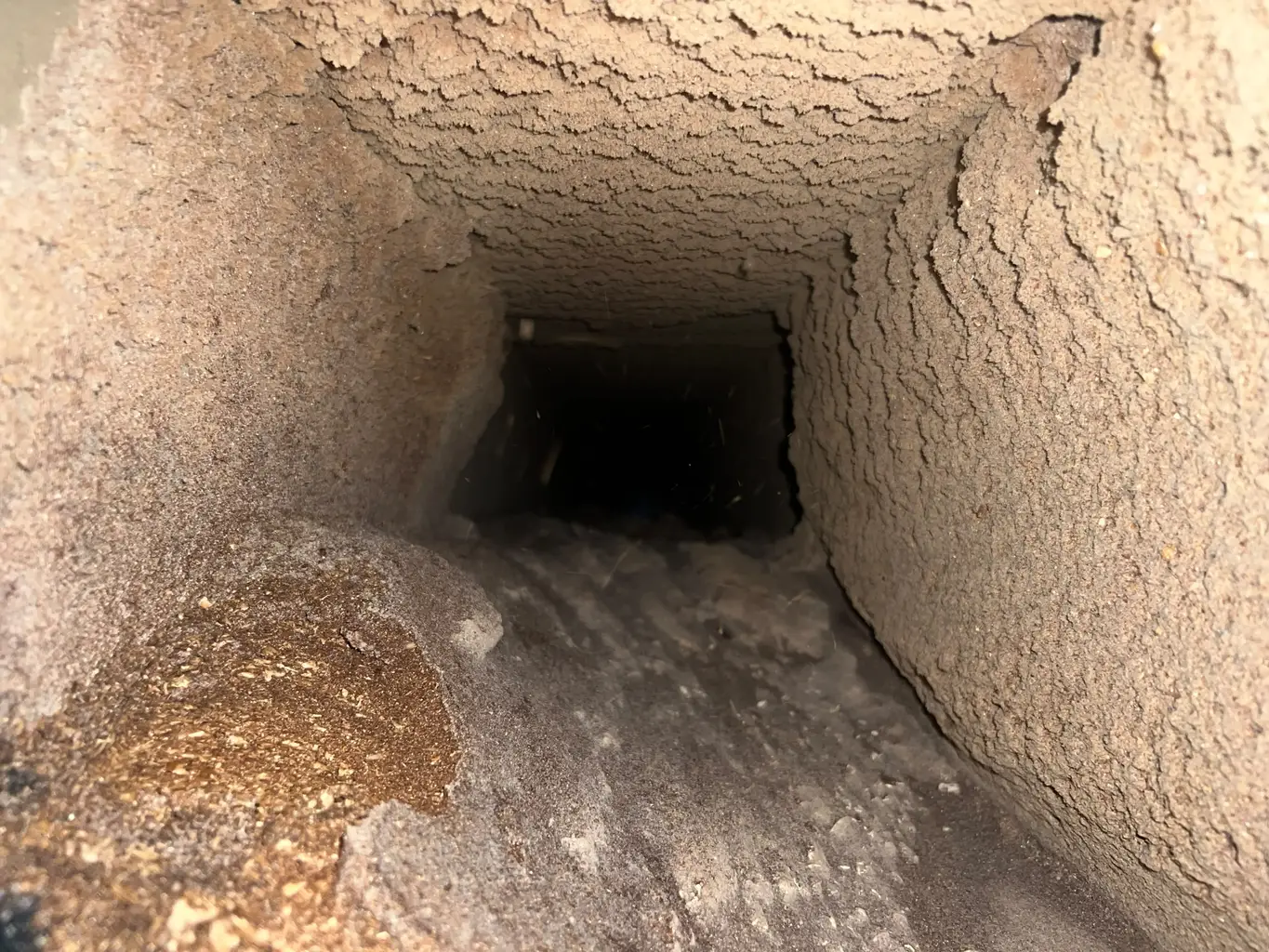
Dust on supply grilles, repeated complaints about stuffy rooms, and grey deposits around air-conditioning vents are often signs that a building needs a closer look at its HVAC system. Knowing how to prevent duct dust is not simply about arranging a duct cleaning service when dirt becomes visible. It requires controlling the dust that enters the system, maintaining the components that should capture it, and checking whether airflow is carrying contaminants through the building.
For facility managers, building owners and maintenance teams, the aim is practical: keep ductwork cleaner for longer, support better indoor environmental quality, and avoid preventable disruption to occupants and operations.
Why dust builds up in air ducts
Every air-conditioning and ventilation system moves air containing some level of airborne particles. These may include outdoor dust, fibres from carpets and furnishings, paper dust, construction residue, skin flakes, and fine particles generated by day-to-day activity. Filters capture a proportion of this material, but no system is entirely dust-free.
Duct dust becomes more noticeable when filters are poorly fitted, overloaded, damaged, or replaced too late. Air can then bypass the filter and carry particles into coils, fans, supply ducts and occupied spaces. Dust may also enter through unsealed duct joints, poorly maintained fresh-air intakes, open access panels, or return-air pathways that draw air from dusty service areas.
In Malaysia, buildings can face additional challenges from high humidity, heavy rain, nearby traffic, construction activity and frequent use of air-conditioning. Humidity does not create dust, but it can cause dust to adhere to duct surfaces and, where moisture problems exist, contribute to conditions that require further investigation.
A dusty grille alone does not confirm that all ductwork is heavily contaminated. It is, however, a useful prompt to inspect the wider system rather than repeatedly wiping visible surfaces.
How to prevent duct dust at its source
The most effective approach is to reduce the amount of dust entering the HVAC system. This starts outside the ductwork.
Fresh-air intakes should be positioned and maintained to minimise the drawing-in of debris, vehicle exhaust residue, leaves and dust from nearby activities. Intake louvers and screens need regular checks, particularly after storms or construction work. Where an intake is close to a loading bay, road, exhaust outlet or dusty plant area, the building may need a more careful assessment of exposure and filtration requirements.
Indoors, housekeeping matters. Dust generated in ceiling voids, storerooms, plant rooms and return-air plenum areas can be pulled into the system if these spaces are neglected. Keep service areas clean, avoid storing loose cardboard or dusty materials near return-air openings, and ensure renovation debris is contained before the HVAC system is restarted.
Construction and refurbishment work deserve special attention. Cutting, sanding, ceiling work and demolition can introduce significant fine dust into return ducts. Contractors should isolate affected zones, protect nearby grilles and diffusers, and use appropriate dust-control methods. Running the air-conditioning system during uncontrolled dusty work can spread particles far beyond the work area.
Fit and maintain the right air filters
Filtration is the first line of defence against duct dust, but a filter only works as intended when it is properly selected, installed and maintained. A higher-grade filter may capture smaller particles, yet it can also increase resistance to airflow. If the system fan is not designed for that pressure drop, cooling performance and air distribution may suffer.
The right filter specification depends on the building type, outdoor conditions, occupancy, equipment capability and operational needs. Offices, retail spaces, schools, healthcare-related areas and industrial facilities may have different requirements. This is why filter upgrades should be assessed rather than selected solely on the assumption that higher filtration is always better.
During routine maintenance, check that filters sit tightly in their frames. Gaps around filter edges allow unfiltered air to bypass the media entirely. Also inspect for collapsed pleats, moisture damage and incorrect installation direction. These small faults can undermine an otherwise sound maintenance programme.
Filter replacement intervals should be based on condition and pressure drop where possible, not only a fixed calendar date. A site near a busy road or active construction area may require more frequent attention than a low-occupancy building in a cleaner location. Conversely, replacing filters unnecessarily early creates avoidable cost and waste.
Keep coils, fans and drain systems clean
Dust that passes through filters often settles first on cooling coils and fan components. Once these surfaces become dirty, they can restrict airflow and reduce the system’s ability to deliver conditioned air evenly. Reduced airflow may encourage occupants to lower thermostat settings, which does not solve the underlying issue and can increase operational strain.
Coil cleaning, blower maintenance and drain pan inspections should form part of planned air-conditioning servicing. Drain lines must remain clear so that condensate does not accumulate where it should not. Moisture around a dirty coil or drain pan warrants prompt attention because dust and moisture together create a more complex indoor air quality concern.
For commercial systems, maintenance records should show what was inspected, what was cleaned, and whether any fault was observed. This helps facility teams identify recurring issues, such as a particular air-handling unit that becomes dirty faster than others.
Check duct condition before scheduling cleaning
Duct cleaning can be valuable where inspection confirms accumulated dust, debris after renovation, pest-related contamination, or deposits affecting airflow and cleanliness. However, cleaning ductwork without correcting the reason it became dusty can lead to the same issue returning quickly.
A proper inspection should consider accessible duct sections, diffusers, return-air paths, filters, coils, air-handling units and duct integrity. Robotic duct inspection and cleaning can be particularly useful in larger or difficult-to-reach duct systems, allowing technicians to assess internal conditions without unnecessary dismantling.
Look beyond the question of whether dust is present. Ask why it is there, where it is concentrated, and whether the amount is consistent with normal building use. Evidence from inspection images, airflow observations and maintenance history supports better decisions than assumptions based on one dusty grille.
Maintain balanced airflow and suitable pressure
Airflow problems can contribute to dust movement through a building. When supply and return air are poorly balanced, some areas may become overly pressurised while others draw air from corridors, ceiling voids or adjacent spaces. In some cases, negative pressure can pull dust through gaps around doors, service penetrations or unsealed ductwork.
Air balancing measures airflow at relevant points and identifies whether the system is distributing air as intended. It is especially useful after renovation, layout changes, equipment replacement, occupant complaints or modifications to ductwork.
Pressure relationships matter in spaces with particular functions. Kitchens, toilets, workshops and chemical storage areas may require different pressure conditions from offices or public spaces. The correct arrangement depends on the purpose of the room and the building design, so adjustments should be made by trained HVAC personnel rather than by closing random diffusers.
Recognise when duct dust needs further investigation
Some signs call for a more detailed assessment rather than routine cleaning alone. These include dust returning soon after cleaning, persistent musty odours, water staining near air-conditioning components, visibly dirty coils, unexplained discomfort in specific zones, or a sudden increase in dust after building works.
An indoor air quality assessment can help distinguish between a duct-related issue and other possible sources, such as poor ventilation, high humidity, inadequate cleaning practices, outdoor particle entry or materials stored near return-air openings. Results should be interpreted alongside the building’s operating conditions. A reading or observation in isolation rarely tells the full story.
For managers overseeing multiple tenants or large premises, it is helpful to combine HVAC checks with a clear communication process. Occupants can report patterns such as dusty desks, odours at certain times, or discomfort in particular rooms. These observations do not replace technical inspection, but they can help direct it.
Build duct dust prevention into planned maintenance
Preventing duct dust is most reliable when it becomes part of routine facilities management rather than a response to complaints. Keep a maintenance schedule that covers filter inspections, coil and fan cleaning, drain checks, grille cleaning, fresh-air intake inspections and periodic duct condition reviews. Record changes in occupancy, nearby construction, renovation work and operating hours, as these can affect how quickly dust accumulates.
Aircond Clinic supports commercial and industrial buildings with evidence-based inspection, robotic duct cleaning, air balancing and indoor air quality assessment where conditions require specialist attention. A targeted inspection can help determine whether cleaning, filtration improvements, airflow adjustments or a combination of measures is the sensible next step.
Cleaner ductwork begins with a cleaner, well-maintained system around it. When dust is controlled at the intake, captured by properly fitted filters and supported by balanced airflow, buildings can maintain fresher indoor spaces with fewer surprises.
Leave a Reply