
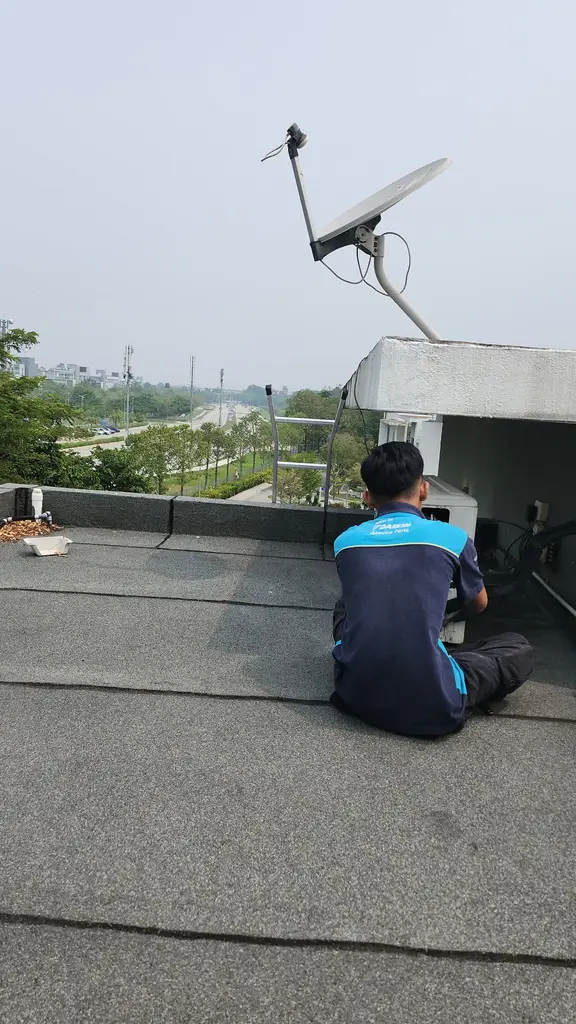
When an air conditioner is running but the room still feels warm, sticky, dusty, or stale, the issue may be more than a comfort problem. Learning how to diagnose ac problems starts with noticing what has changed: the temperature, airflow, noise level, humidity, energy use, or even the smell of the air. Those details help separate a simple maintenance need from a fault that deserves prompt professional attention.
A well-performing AC system should cool consistently, circulate clean air, and remove excess moisture without becoming disruptive or expensive to run. If it cannot do those things, early action can help prevent equipment damage, avoid avoidable downtime, and support a healthier indoor environment.
How to Diagnose AC Problems Safely at Home or Work
Before inspecting anything, switch the system off if you smell burning, see smoke, hear loud electrical buzzing, or notice water near electrical components. Do not remove electrical covers, attempt refrigerant work, or force a unit to restart repeatedly. These are jobs for trained HVAC technicians.
For everyday troubleshooting, begin with the simplest observations. Check whether every room is affected or only one area. Note whether the system cools at certain times of day but struggles in the afternoon, and whether the problem appeared suddenly or gradually. A sudden failure can point to a component, power, or control issue, while gradual decline often suggests restricted airflow, dirt buildup, drainage trouble, or declining system efficiency.
Check the thermostat and basic settings
Make sure the thermostat is set to cool and the selected temperature is lower than the current room temperature. Confirm that the fan setting is appropriate. A fan set to run continuously may circulate air even when cooling has stopped, which can make a room feel less comfortable in humid conditions.
If the display is blank, the issue may be as simple as batteries or a power interruption. Check accessible switches and breakers once, but do not repeatedly reset a breaker that trips again. A recurring trip may signal an electrical fault that needs professional assessment.
Look for signs of restricted airflow
Weak airflow is one of the most common AC complaints. Hold your hand near a supply vent or indoor-unit outlet and compare the air movement with normal operation. Then check whether furniture, curtains, stored items, or closed vents are blocking circulation.
A dirty air filter can restrict airflow, reduce cooling, and allow dust to recirculate through the space. In homes, this can contribute to a stuffy environment and unnecessary strain on the unit. In offices, retail spaces, and restaurants, poor airflow can create uneven comfort that affects staff and customers. Replace or clean filters according to the equipment manufacturer’s guidance, but remember that a filter is only one part of the air path. Dirty coils, blower components, ducts, and vents can produce similar symptoms.
Match the Symptom to the Most Likely Cause
A clear symptom does not always equal one clear diagnosis. The same complaint can have several causes, which is why a professional inspection is valuable when basic checks do not restore normal performance.
The AC blows warm air
Warm air may result from incorrect settings, a dirty filter, blocked outdoor airflow, a frozen coil, or a mechanical problem. If the outdoor unit is accessible, look for leaves, packaging, or other debris around it, while keeping hands away from moving parts and electrical connections. The unit needs open space to release heat effectively.
If warm air continues after checking settings and airflow, turn the system off and arrange an assessment. Refrigerant loss, compressor issues, and control faults cannot be diagnosed reliably by appearance alone. Refrigerant should never be treated as something that simply needs “topping up.” If refrigerant is low, a technician should identify the reason, including the possibility of a leak.
Airflow is weak or uneven
When one room is cold and another remains warm, start by checking vents, filters, and obvious obstructions. In larger properties, the issue may also relate to duct leakage, poor balancing, a failing blower, or an air-distribution design that no longer suits the space.
Uneven airflow often becomes more noticeable after renovations, changes in room use, or increased occupancy. A formerly quiet meeting room may become a busy workspace, for example, adding heat and humidity that the existing system cannot manage. The answer may be maintenance, repair, duct work, or a broader capacity review. It depends on what the system is doing and how the space is now used.
Water is dripping from the unit
Water around an indoor unit should not be ignored. It may come from a blocked condensate drain, a dirty drain pan, poor insulation, or a frozen evaporator coil that is thawing. Continued leakage can damage ceilings, walls, flooring, and furnishings, while trapped moisture can encourage unpleasant odors and microbial growth.
Switch the system off if water is approaching electrical equipment. Avoid pouring harsh chemicals into drains or dismantling the unit to reach the pan. A proper service should address the blockage and investigate why it formed, rather than only clearing the visible water.
The system smells musty, sour, or burnt
A musty odor can indicate moisture and organic buildup on coils, filters, drains, or internal components. It can also be connected to dirty ductwork, particularly where dust and humidity have accumulated over time. Cleaning the visible grille alone may improve appearance, but it will not resolve contamination deeper in the system.
Burning, metallic, or electrical smells need more urgent attention. Shut the system down and contact a qualified technician. For homes and workplaces, persistent odors are not just an annoyance. They are a reason to assess both equipment condition and the quality of the air people are breathing.
The AC is noisy, short-cycling, or raising energy bills
New rattling, grinding, banging, or squealing sounds can indicate loose parts, fan trouble, motor wear, or mounting problems. Short-cycling – when the system starts and stops repeatedly without completing a normal cooling cycle – can increase wear and make indoor temperatures unstable.
A rising energy bill is also a useful diagnostic clue, especially when cooling habits have not changed. Dirty components, poor airflow, refrigerant issues, aging parts, and duct losses can all force a system to work harder for less comfort. Compare bills over several months where possible, rather than relying on one unusually hot period.
Do Not Overlook Indoor Air Quality
AC diagnosis should not stop at whether the room feels cold. Cooling equipment moves air through occupied spaces, and neglected components can allow dust, odors, and pollutants to remain part of that airflow. If occupants are reporting persistent stuffiness, visible dust, recurring odors, or discomfort despite normal temperature readings, an indoor air quality assessment may be appropriate.
This is especially relevant for businesses with high foot traffic, food-service operations, older duct systems, or rooms that stay closed for long periods. Kitchen exhaust ducts require their own hygiene attention, while central AC ducts may benefit from professional cleaning when inspection shows meaningful buildup. The right approach depends on the system, the environment, and the source of the concern – not on a one-size-fits-all cleaning schedule.
Aircond Clinic approaches AC performance and indoor air wellness together, helping property owners address the mechanical cause while also considering the air people experience every day.
When to Call an HVAC Professional
Call for professional help when basic checks do not restore cooling, when leaks or unusual smells occur, or when the system trips power, freezes, makes loud noises, or repeatedly shuts down. Commercial properties should also act quickly if temperature problems affect customers, staff comfort, equipment, food storage areas, or daily operations.
A thorough visit should include more than a quick restart. A technician can inspect airflow, filters, coils, drainage, electrical components, thermostat controls, refrigerant-related performance, and visible duct condition. The goal is to identify the underlying cause, explain the practical repair options, and recommend maintenance that supports efficient cooling and cleaner indoor air.
The most useful habit is simple: pay attention before discomfort becomes disruption. A room that feels slightly warmer, damper, dustier, or more stale than usual is often giving you the earliest chance to protect your equipment, your energy costs, and the people who share the space.
Leave a Reply